About

Designing With Cultural Resonance

I build research-driven brand identities and visual systems that honor history, empathy, and clear communication.

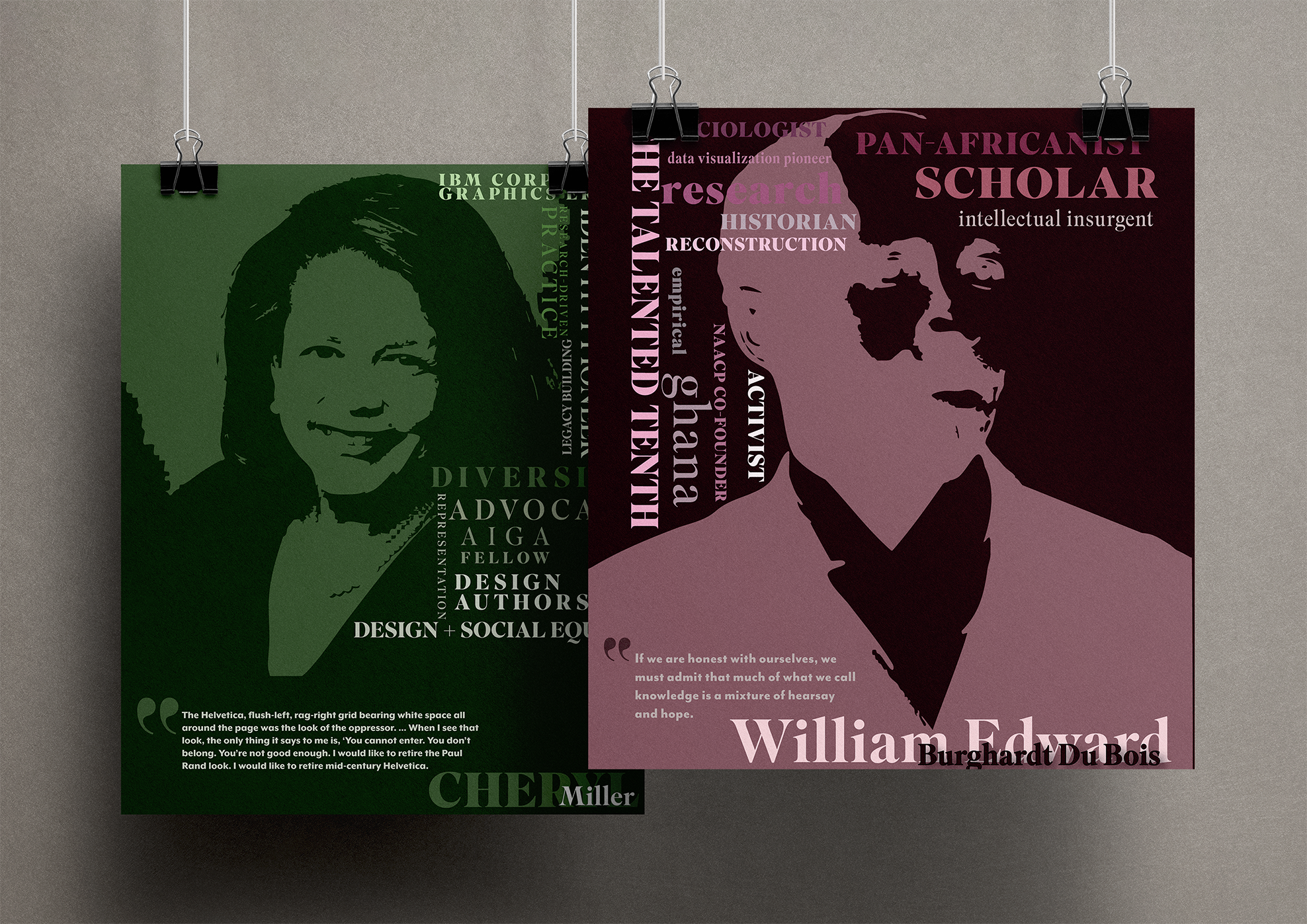
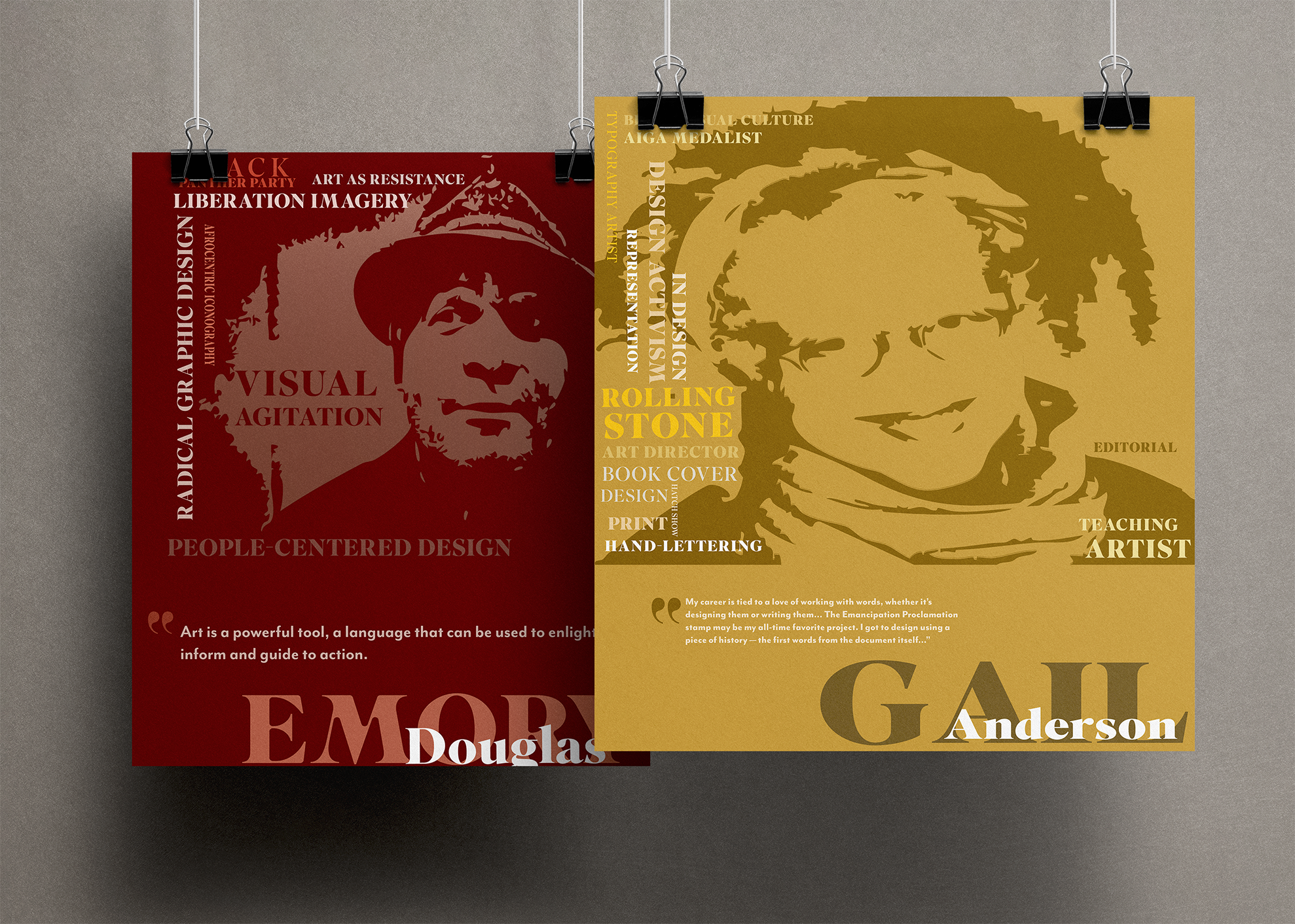
I'm a Charlotte-based graphic designer with a degree in Advertising & Graphic Design from Central Piedmont Community College. I create brand systems, visual identities, infographics, and web experiences grounded in research, clarity, and cultural context. Prioritizing communication over aesthetics. My work draws on design traditions from our communities, where craft, language, and lived experience shape how information is shared. I use those references as perspective and foundation, not decoration.

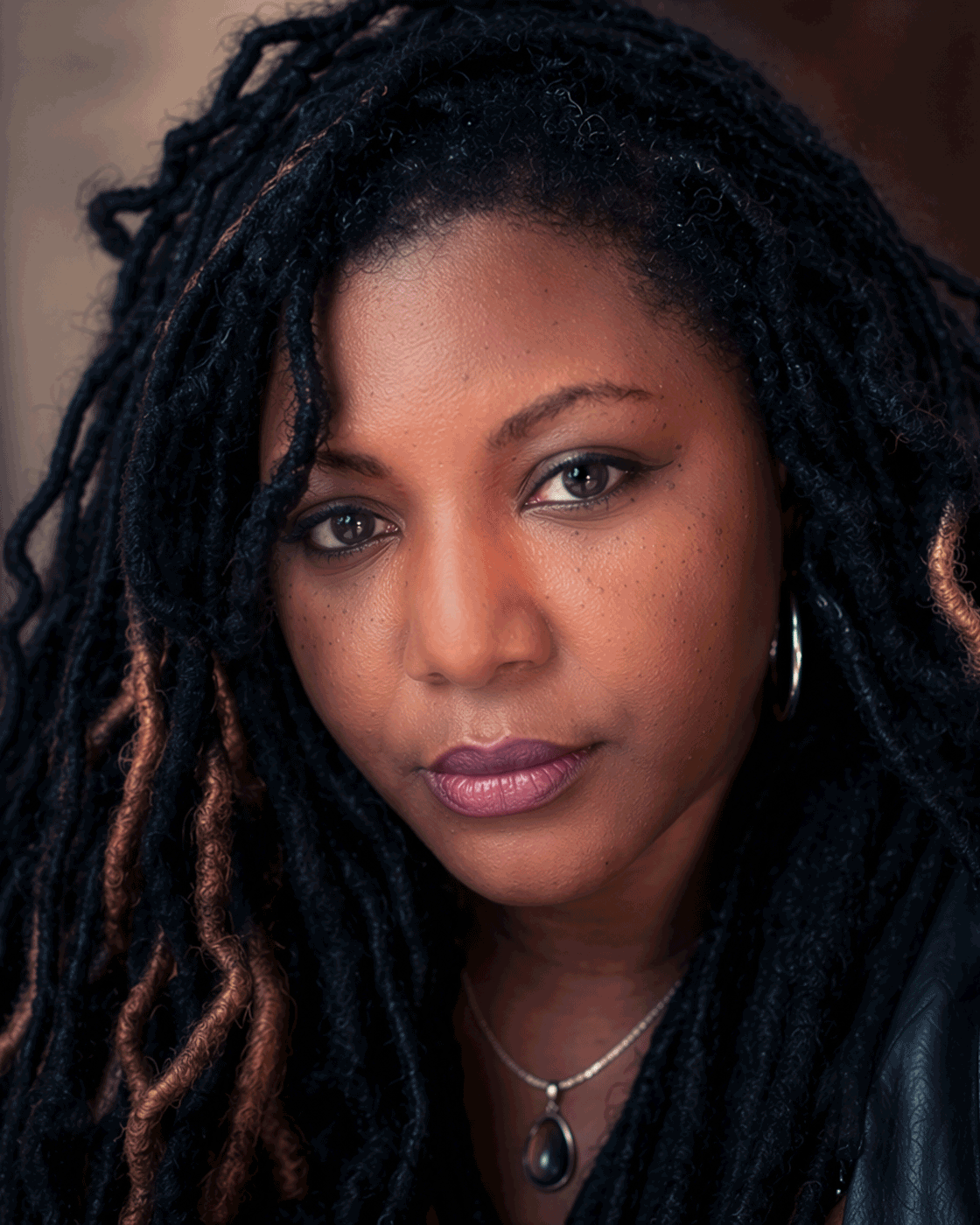
Professional headshot of Alisha Davis, designer and developer
Alisha Davis, combining design expertise with cultural storytelling to create impactful brand experiences.
Personal branding identity case study featuring business card mockup
Featured project: Personal Branding Identity System

What I Bring

I do my most intentional work at the intersection of research, concept development, and brand storytelling.

I rely on historical framing, color theory, and symbolism to build identities that feel grounded and relevant. My approach is supported by disciplined structure—clean file-building, well-defined identity systems, thoughtful web foundations in HTML/CSS, and a data-focused mindset for infographics and information design.

These strengths shape how I create visual systems that communicate clearly and hold meaning beyond aesthetics.

Aya Box Whole

My Design Philosophy

I design with a historian's curiosity and a maker's instinct. I'm always asking two questions: "What's the story here?" and "How do I honor it without flattening it?"

I'm less interested in trends and more interested in resonance.

Good design comes from understanding context. That means looking beyond style and considering the people, the history, and the emotions wrapped around what's being communicated. I'm less interested in trends and more interested in resonance. I want my work to feel timeless but dynamic, grounded but imaginative. I'm always looking for the symbolism, the rhythm, and the deeper narrative.

Moodboard collage featuring color swatches and type samples

My Process

My process is structured but flexible. I learned to balance deadlines with outcomes after years of managing real-world retail systems.

  1. Research First: I dive into historical, visual, and contextual research to understand the "why".
  2. Concept Development: I explore symbolism, metaphors, and narrative angles. High-research concept work is where I'm strongest.
  3. Visual Exploration: Sketches, thumbnails, moodboards, and color studies — the early play phase where ideas take shape.
  4. System Building: Typography, grids, palette logic, responsive patterns, and interaction frameworks.
  5. Refinement + Documentation: Clean files, accessibility checks, brand rules, style sheets, and clear handoff assets.

I always want my work to feel familiar and innovative at the same time.

Moodboard collage featuring design process sketches and notes

Snapshots of My Process

Here are some moodboards and concept sketches from recent projects, showcasing how I blend research and creativity to build meaningful designs.

Process flow from research to final

Research moodboard
Research Driven Moodboard
Concept One
Concept One
Concept Two
Concept Two
Concept Three
Concept Three
Final Direction
Final Direction

Experience & The Career Before This One

Before design, I spent many years as a retail store manager for Luxottica North America ,a role that shaped how I work and how I lead.

I ran high-performing stores with year-over-year operational excellence. My teams reflected our customer base because representation matters for trust and service. We kept shrink low, customer service high, and built genuine relationships because people felt welcomed and respected.

Retail leadership team gathered on the sales floor
Retail leadership shaped how I structure systems and teams.

What I Learned

Operational clarity and calm under pressure. Systems thinking, not vibes alone. Clear handoffs, clean files, real accountability.

I created systems, SOPs, workflows, and processes that actually worked. I solved problems before they surfaced. I kept stores organized and predictable so customers could focus on the experience, not the noise.

All of that carried straight into my design practice: team leadership, process development, operational clarity, communication under pressure, proactive problem-solving, human-centered thinking, and maintaining quality through chaos.

Outside the Studio

When I'm not designing, I'm usually knee-deep in some form of research. I love genealogy and family history — tracing stories, migrations, names, and patterns that shape who we are. That curiosity spills directly into my design work; understanding lineage and context always makes the story clearer.

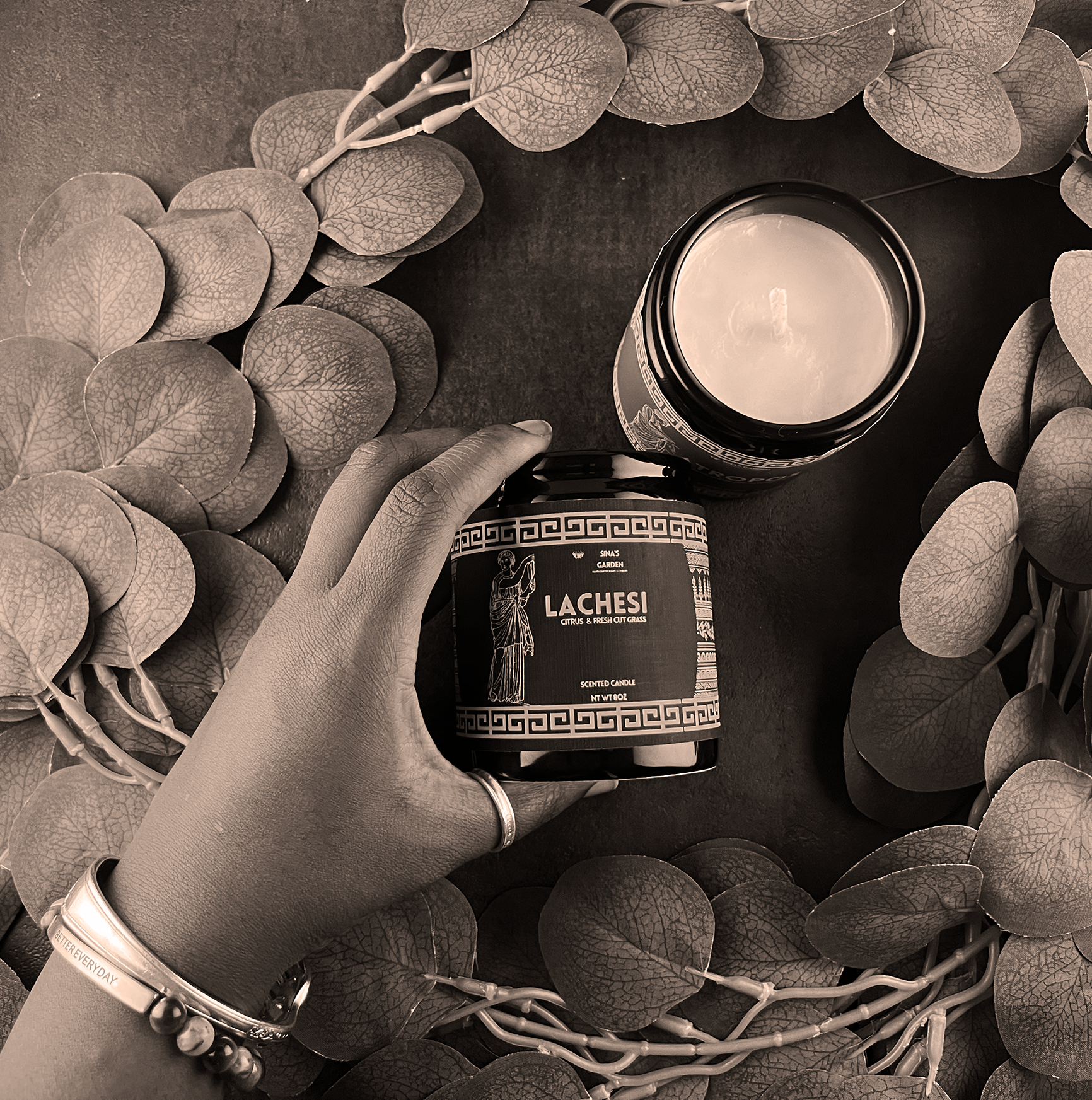
I also read a lot of American history, experiment with scents for my candle-making business, and unwind with puzzles and logic games. Anything that blends creativity, pattern-finding, and storytelling tends to pull me in. And at home, I'm surrounded by a small crowd of pets who are convinced they're my creative directors.

Tabby kitten lounging next to sketchbook on a studio table
Studio breaks with the self-appointed creative director.